
It’s the question every planner asks us before anything else, and it’s also the question the industry answers worst. Search it yourself and you’ll find a $4,900 global average here, a $6,000 North American figure there, and a luxury guide quoting $8,000 two paragraphs later – three numbers, no context, and nobody telling you which one actually applies to your programme. We’re a destination management company with MICE teams on the ground across Spain, Croatia, Italy, Germany and Norway, and with 2026 now more than half run – genuinely tested by real bookings rather than January predictions – we’d rather tell you what we’re actually seeing land on budgets right now, market by market, and what that means as most of you turn seriously to 2027.
The number everyone quotes, and why it only tells half the story
The figure most people reach for comes from the Incentive Travel Index – the industry’s big annual survey, run by the Incentive Research Foundation and SITE Foundation with Oxford Economics. Their 2025 global average came in at $5,100 per person, up a modest 4% on the year before. It’s a solid number. It’s also not really your number, and here’s why.
That $5,100 is a blend of everywhere in the world. North America alone sits at $6,000. Western Europe – where our teams actually live and work – comes in much lower, at $3,200. That’s a genuinely large gap, and it’s the single most common mix-up we see: a planner benchmarks their European programme against the global figure, assumes their budget is stretching further than it is (or not far enough), and builds the wrong expectations before a single venue’s even been shortlisted. One quick note before we get into destinations – the big industry survey reports in dollars, but every figure we quote below for our own markets is in euros, because that’s simply how we budget and quote these programmes ourselves.
What it actually costs, market by market
We don’t have a favourite here, so there’s no reason for us to make one destination look better than another. This is genuinely what we’re seeing land on real budgets right now.
Spain is the most cost-efficient of our five markets, and it isn’t close. A 4-star programme with flights from Central Europe typically lands between €1,200 and €1,800 per person, or €1,500-€2,200 if you push the hotel tier up a notch.
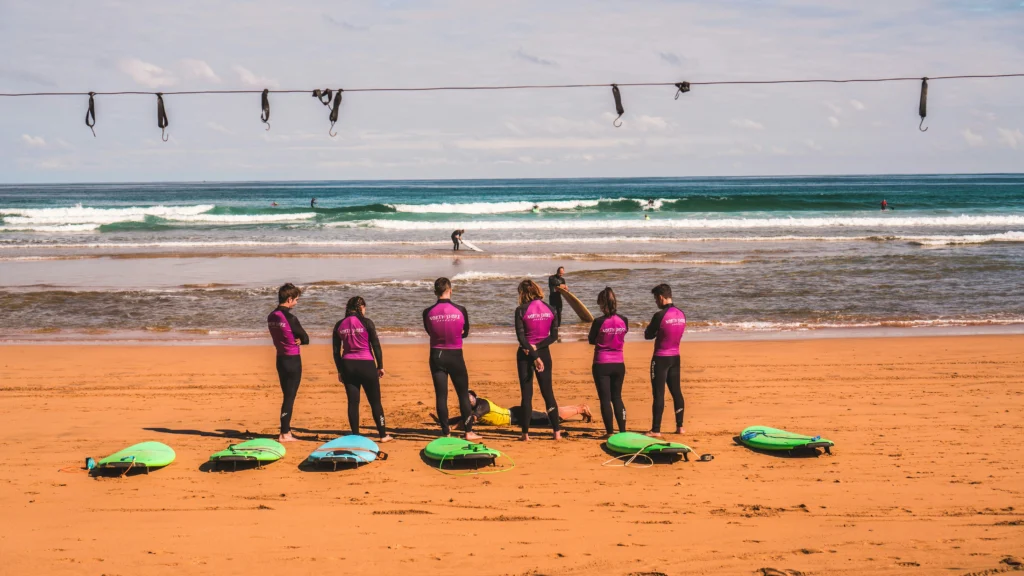
It’s well under the Western Europe average, and it’s a big part of why Bilbao and San Sebastián have become such popular briefs for us lately – clients keep discovering that Spain’s north coast delivers something that feels premium without the premium price tag.
Croatia sits in the established, upscale end of the Adriatic – think €2,400-€4,500 per person for a five-night programme. Worth knowing: newer entrants further down the coast are now undercutting that by a third to a half, so Croatia’s appeal increasingly rests on genuine polish rather than being the cheapest option in the region. We think it’s still worth the difference for most groups, but we’d rather you go in knowing that than find out later. Explore how event planning and management works in Croatia →
Italy is really two markets wearing one name, and we always quote it that way. A well-built regional programme – Tuscany, Puglia, the Dolomites sits around €4,000–€5,500 per person, comparable to a strong Central European city break. Step into Amalfi Coast or Capri territory, private yacht transfers, proper exclusivity, dining that doesn’t need a second mention – and you’re at €6,800-€7,500.
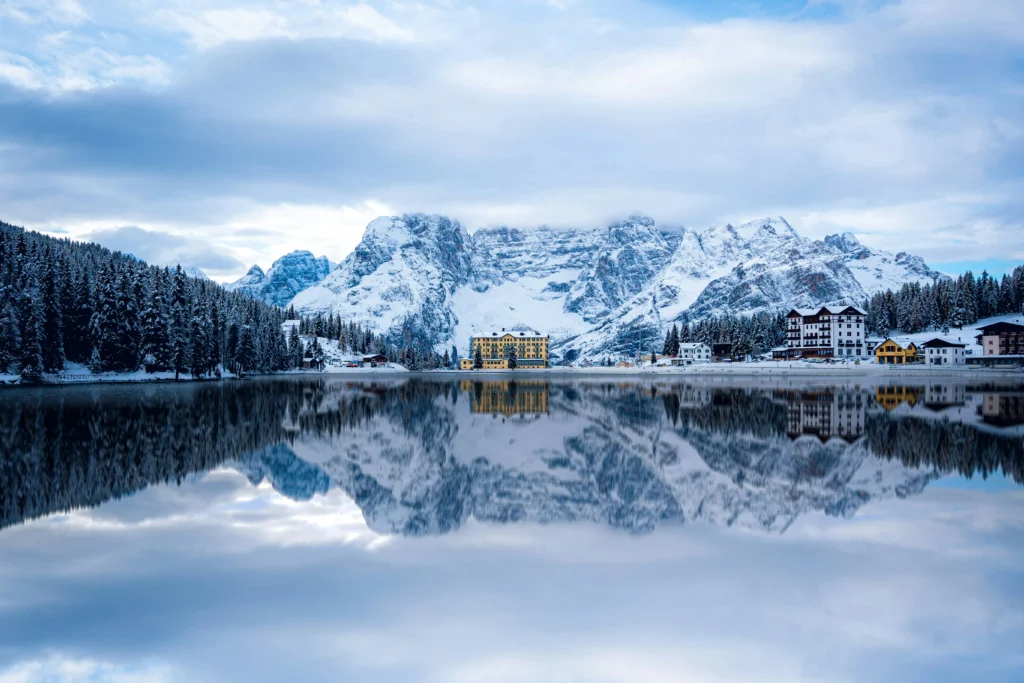
Both are “Italy.” They are not the same trip, and we’d rather say so upfront than let a client assume one when we mean the other. See how we approach outdoor corporate event spaces across Italy’s regions →
Germany is our home market, and here the cost conversation looks different from the rest. There isn’t one number worth quoting, the story in 2026 is efficiency. Choosing rail over short-haul flights between German cities saves roughly €50–150 per person and cuts the trip’s emissions by around 80%, which is one of the rare moments where the finance team and the sustainability team end up agreeing with each other.
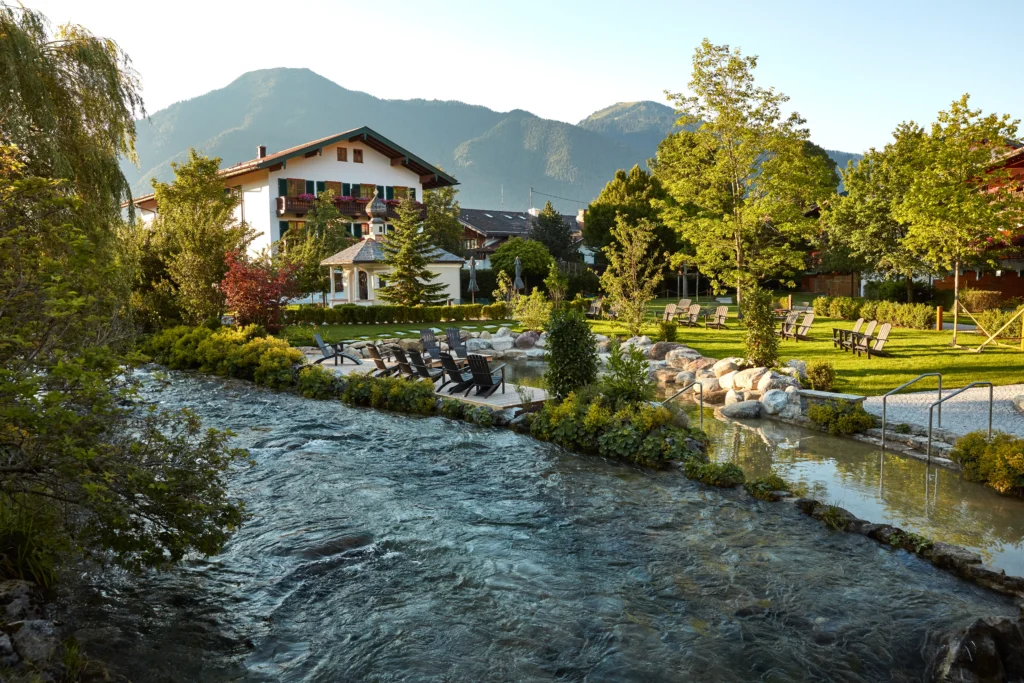
For a Berlin, Bonn or Düsseldorf programme, that decision alone often moves the budget further than any amount of haggling over venue fees. Full breakdown: corporate event costs in Germany →
Norway is our top tier, and we don’t apologise for that. Fjord cruises, Northern Lights, midnight sun in summer, Nordic programmes price above the Mediterranean and city-break brackets across the board, because hotel and F&B costs in Scandinavia genuinely run higher than almost anywhere else in Europe. We tell clients plainly: Norway isn’t the destination for stretching a modest budget. It’s the one for a smaller group of top performers, where the place itself needs to feel like something they’ll never quite get to do again. What a corporate event in Norway actually looks like →
The question that matters more than the number itself
Here’s the bit we wish more planners asked us before they ever compared a quote to a competitor’s: what’s actually inside that per-person figure? Two quotes both saying “€2,000 per person” can be describing two completely different trips. Before you put any number next to another one, it’s worth checking:
- Are flights included, capped, or excluded entirely?
- Is ground transport just the airport transfer, or everything in between too?
- Does food and beverage mean every meal, or just the one gala dinner everyone remembers?
- Is gifting built in, or an add-on you’ll be asked about later?
- Is there a destination manager on the ground throughout, or remote support only?
- Is there a contingency buffer for weather, delays or last-minute changes, or is that a separate conversation down the line?
A cheaper-looking quote that’s missing half of this isn’t better value. It’s just a different, less complete answer to the same question. Ask this before you ask us for a number, and you’ll get a much fairer comparison. How DMC partnerships change what’s actually included in a quote →
Something that’s already reshaped 2026 budgets – and isn’t finished yet
We’d be doing you a disservice if we didn’t mention this, because it genuinely changes the picture, and by now most of you have felt some version of it directly. The Incentive Travel Index figure we quoted above was published back in October 2025, before a Middle East conflict in February 2026, including disruption around the Strait of Hormuz, pushed jet fuel prices up sharply. We’re talking roughly $90 a barrel a year ago to around $152 across 2026 so far, and airlines have felt it: fuel has gone from about a quarter of their operating costs to almost half, and profitability across the industry has roughly halved as a result.
What that means for you, practically, is that several major carriers have quietly added or increased fuel surcharges over the past few months, and any programme with a real long-haul component, a transatlantic group, or a Norway trip with a connecting flight, should expect the airfare line to be running a little higher than last year’s benchmarks would suggest. A ceasefire has reportedly been reached as we write this, but fuel markets and flight networks tend to take longer to settle than the conflict itself, so we wouldn’t treat this as already behind us. It’s also, honestly, another reason we like our own portfolio right now – every one of our five markets sits within short intra-European flying distance, which shields a budget from this kind of shock far better than a long-haul-heavy itinerary ever could.
The bigger shift: what an incentive trip is actually for is changing
Step back from the cost conversation for a second, because we think this is the real story of 2026, more than any single number. The old model send the top two hundred salespeople to a resort for a week is quietly giving way to something more deliberate, and we’re seeing it in nearly every brief that lands with us now.
Groups are getting smaller. Twenty to sixty people, not two hundred, with meaningfully more spent on each of them and a day built around choice rather than one schedule everyone follows. One person kayaks to a sea cave in the morning, another sits in on a private cooking class, everyone comes back together for dinner. That used to be the exception. It’s fast becoming what’s expected. How personalised incentive travel programmes are built in practice →
Wellness has stopped being an afterthought. Something like four in five incentive programmes now build in a genuine wellness or mindfulness element, a quiet morning, a spa afternoon, deliberate unscheduled time rather than an itinerary packed end to end. We’ve built this into a countryside retreat in Germany and a still, early morning on a Norwegian fjord, and both are consistently the part people mention when we ask how the trip went. How wellness incentive travel is reshaping executive teams in Europe →
Purpose is doing more of the persuading than price ever did. Sustainability credentials, local sourcing, a story that holds up when someone asks “why this destination” these aren’t box-ticking anymore. They’re often what actually gets a programme signed off internally, because they give a leadership team something to point to beyond “everyone had a good time.” Sustainability and carbon footprint in corporate events: what you can actually do →
And underneath all of it, the destination itself has become part of the reward rather than just the backdrop. A private dinner in a San Sebastián gastronomic society, a family-run vineyard in Croatia, a fjord at dawn, programmes built around fewer, deeper moments like these consistently beat a packed, generic itinerary on how long people remember it and how motivated they feel afterwards. The old way of judging a trip was how much got fitted in. The better way, now, is how much of it still gets talked about a year later. Why experiences over destinations is now the future of incentive travel →
Why this actually works on people, not just spreadsheets
There’s a reason none of this is just about getting the number right, it’s worth understanding what an incentive trip is actually doing to the people receiving it, because it isn’t the same thing a bonus does.
Behavioural economists call it mental accounting: cash rewards get mentally filed alongside salary, and within weeks they’ve quietly paid a utility bill or disappeared into the everyday. A trip doesn’t behave like that. It sits in its own separate mental space, still attached to the achievement that earned it, which is a large part of why research from the Incentive Research Foundation consistently finds travel outperforms cash and gift cards as a motivator, one recent study puts individual travel at 61% “extremely motivating,” ahead of every other non-cash reward category. Cornell research adds another layer to this: people anticipate experiences more happily than they anticipate purchases, so the motivation doesn’t just arrive on the day of the trip. It starts the moment someone finds out they’ve qualified, and it keeps building through every conversation about where they’re going and what they’ll do there.
There’s a social dimension too, and it matters more for top performers than for anyone else. Gallup’s research shows genuinely recognised employees are 45% less likely to leave within two years, and putting your best people in a room together — away from the daily grind, with the company’s leadership present as hosts rather than managers — does something a bonus simply can’t: it lets them see themselves, and be seen by others, as exactly what they are. The best of the best. That’s not a soft benefit. It’s frequently the difference between a top performer who re-signs for another year and one who quietly starts taking calls from recruiters. How to measure what an incentive programme actually delivers – the VISION method →
Which is really the answer to the harder question underneath all of this: how do you motivate someone who’s already at the top, who’s already hit every target you set them? Not with a bigger number with a bigger sense of purpose. A trip that reconnects them to why the work matters, that puts them shoulder to shoulder with the other people carrying the company forward, and that gives them a genuine story to tell rather than another figure on a payslip. That’s what re-energises a top performer for the next stretch: not the reward itself, but what it says about them, and who they get to be for a few days while they receive it.
Looking ahead to 2027
The 2026 number is useful, but with the year already past its midpoint, most of the planners doing this well have already turned their real attention to next year, because the best venues and dates for 2027 are being claimed now, and the runway is shorter than it looks.
Booking windows have stretched out noticeably. What used to be a three-month lead time is now eight to twelve months for most groups, and for anything needing 75 or more rooms a night, eighteen months is becoming the norm – twenty-four for the largest programmes. Do that maths from where we sit today: a large spring 2027 programme needing eighteen months’ notice should already be confirmed, and autumn 2027 is closing in fast. Our smaller, boutique destinations simply don’t have the room inventory to absorb a group at short notice, so the best of them go first. How venue sourcing for leadership offsites actually works at this lead time. If 2027 shoulder-season dates are still open on your calendar, the moment to lock them in is now, not after the summer.
Spend per person looks set to rise again in 2027, and for a reason worth noting: more than a third of buyers say the increase will come from better programmes – nicer venues, richer experiences, upgraded accommodation – rather than inflation alone. That’s a meaningfully different story than “everything just costs more.” It suggests the market is choosing to spend more on fewer, better trips, not simply absorbing higher prices. The 2026 event industry outlook — what the trend lines mean for 2027 →
Europe is also the more cautious region here – only 32% of European buyers expect increased activity through 2027, against 46% in Asia-Pacific. We don’t read that as European appetite weakening. We read it as a market being more careful about where the budget goes, which is exactly the environment where a destination that can prove real value and real local knowledge wins out over one relying on volume. The top MICE destinations for 2026 and what they tell us about 2027 →
And the fuel picture we mentioned above isn’t purely a 2026 story either. Airline networks and fuel markets tend to take longer to settle than the conflict that disrupted them, so anyone building a 2027 budget on 2025-era airfare assumptions should build in some margin, particularly for long-haul groups.
Our Honest Advice
Don’t start 2027 planning with a number pulled from a global average, and don’t measure success by the number either. Start with what you actually want this trip to do for the people receiving it – recognition, renewed purpose, a genuine sense of belonging to something bigger than their own targets, then ask us for an accurate figure specific to that destination, with a clear breakdown of what’s inside it. Build the rest of the programme around what that number genuinely buys, because €1,500 in Spain and €1,500 in Norway aren’t paying for the same experience, and no planner should discover that gap after the contract’s already signed any more than a top performer should walk away from their reward trip feeling like it was just a nicer version of the bonus they already expected.
Frequently asked questions
How much does a corporate incentive trip cost per person in 2026?
Globally, the industry average is $5,100, but that figure blends very different regional markets. Western Europe specifically averages closer to $3,200 (roughly €3,000) per person, and within our own European destinations the range runs from around €1,200 in Spain up to premium Nordic programmes in Norway priced well above that.
Will incentive travel cost more in 2027?
Likely yes, but largely because buyers are choosing to invest in better experiences rather than because of inflation alone, more than a third of the industry expects 2027 spend increases to come from programme improvements specifically.
Which European destination offers the best value for incentive travel?
Spain, and specifically Bilbao and San Sebastián, currently offers the strongest combination of premium experience and controlled cost within our portfolio, sitting well under the Western European average.
How far in advance should I book a 2027 incentive programme?
Eight to twelve months as a baseline, rising to eighteen months for groups needing 75 or more rooms per night and twenty-four months for anything larger. With 2026 already past its midpoint, large spring 2027 programmes should be confirming now, and autumn 2027 shoulder-season dates are the next to book out.
Has the Middle East conflict affected incentive travel costs?
Yes, Jet fuel prices rose sharply from around $90 to roughly $152 a barrel on average in 2026 following the conflict and Strait of Hormuz disruption, and several major airlines introduced or increased fuel surcharges as a result. Programmes with a significant long-haul flight component should expect airfare costs running ahead of 2025-era benchmarks; short intra-European routing, which all five of our destinations offer, is far less exposed to this pressure.
Get in touch
If you’re planning a corporate incentive programme anywhere across Spain, Croatia, Italy, Germany or Norway, our local teams can give you an honest, market-specific budget — with a clear breakdown of what’s actually included — rather than a global average that doesn’t apply to your trip. Write to us at info@thedmccollective.com and we’ll help you plan a 2026 or 2027 programme that spends every euro where it actually matters.