
Somewhere in Bangalore or Delhi right now, someone is drafting an email to a European travel partner, local travel agency or TMC, trying to describe a trip that doesn’t quite exist yet – a reward, a thank-you, a reason for their best people to come home different, whether it’s landing this year or already being planned for 2027. We’re a European events agency built to answer that email properly, with local planners on the ground from Berlin’s hidden courtyards to a fjord at dawn in Norway, a centuries-old gastronomic society in Bilbao to a private villa terrace on Lake Maggiore. This guide is for the HR leaders, sales heads, event planners and travel managers across India currently planning corporate incentive travel to Europe, working out where that trip should go, what it should actually do, and who should build it.
The email that lands in our inbox every week
It usually reads something like this:
“Dear Sir/Madam, we have a group of 45 persons. They want to come to Munich, then go to Paris, 7 nights hotel, Indian food, sightseeing, shopping and an India tour guide.”
We love this email. Genuinely. It’s a lovely, well-earned holiday, and somewhere out there a very good tour operator will build it beautifully. But here’s the thing worth saying gently: this isn’t a corporate incentive trip. It’s a consumer holiday package, dressed in corporate letterhead. And the difference between the two is exactly what this guide is about.
An incentive trip starts from a different question entirely: not “where should we go,” but “what do we want our best people to feel when they come home.” That single shift changes everything downstream — the destination, the pace, the budget, and what actually gets planned into each day.
Not sure yet which one you actually need? Describe the trip you’re picturing and the outcome you want, and we’ll tell you honestly which category it falls into. If it’s a holiday package, we’ll point you toward someone who does that well. If it’s an incentive programme, that’s exactly what we do.
Before you send an RFP: the questions worth answering first
Rodger Stotz, Chief Research Officer at the Incentive Research Foundation, has made the point that no single factor shapes an incentive programme’s outcome as much as genuinely understanding who it’s for. Before any destination gets discussed, work through these questions internally — the clearer the brief, the better the programme we can build around it, and the easier it becomes to tell whether what you actually need is the email above, or something else entirely.
Who are you motivating, and for what?
A trip rewarding individual top sales performers is a different design brief to one recognising an entire regional team, and both are different again from a partner or channel incentive.
Who’s actually in your audience – demographics and psychographics?
Age, seniority and travel experience matter, but so does what motivates them: are they driven by competition and status, or by rest and genuine recognition? A group of seasoned international travellers wants something different from a team taking their first trip abroad.
What’s the business goal, in writing?
Increased sales by a defined percentage, stronger retention, better cross-team collaboration — vague goals produce vague programmes, and a clear, specific objective shapes everything from destination to activity design.
What’s the business case?
Leadership will eventually ask what this trip achieved. Having an honest answer ready, before you’ve even chosen a destination, makes the eventual budget conversation far easier.
Is this an individual reward or a team reward?
Programmes like a President’s Club, Winners Circle or Chairman’s Club – recognising a defined group of top individual achievers – are built differently to a whole-team trip meant to build collective culture. Neither is better; they’re solving different problems.
How do you make the trip feel impossible to replicate?
The strongest programmes give participants something they genuinely couldn’t arrange for themselves, whether that’s access, scale, or a level of production a self-booked holiday never could.
Is this pure leisure, or are there meetings and content planned into it?
A trip with structured sessions needs meeting space, AV and facilitation built into the destination choice from day one; a purely leisure-focused reward needs none of that, and pretending otherwise wastes budget on infrastructure nobody uses.
What actually makes it an incentive trip, not a tour
Work through those questions honestly, and the answer to “tour or incentive” usually becomes obvious on its own. A great many European itineraries built for Indian groups follow the model in the email above almost exactly: a multi-country circuit, fixed hotels, familiar food, a tour manager, sightseeing and shopping filling the days. It’s dependable, and for a genuine leisure holiday, it’s often exactly the right choice.
An incentive programme is a different discipline. It means the days have a purpose, not just a schedule – our Leader’s Journey programme, for instance, uses the classic hero’s journey narrative to give every session in a trip a reason for being there, built around what your company actually needs its top performers to feel differently afterwards. It means wellbeing gets engineered into the pace of the trip rather than squeezed in as a spa afternoon between shopping stops, using the same psychosomatic and body-centred techniques behind our year-round mindfulness work. And it means the experiences themselves unlock what a sightseeing itinerary drives straight past: the difference between watching a lake from a coach window, and being coached through a sailing challenge on that same lake at golden hour, with a debrief afterwards linking how the team behaved on the water to how they make decisions back at their desks.
We should be clear about what we are: incentive designers and producers, not a tour operator. If what you actually need is the trip in that email, we’ll tell you so honestly, rather than stretch our own expertise to try and win the booking. If you need your top performers to come home having built real connections and reconnected to why the work matters, that’s the job we specialise in, and it’s the only job we do.
The budget question, honestly
Here’s the part of that email that usually causes the most friction later: the assumption that a European incentive trip prices like a seven-night holiday package. It doesn’t, and we’d rather explain why upfront than let it surprise you mid-planning.
| Cost element | Typical range (per person) |
|---|---|
| Economy flights, India–Europe | €600–900 |
| Hotel, 4–5 nights, 4–5★ | €600–1,500 |
| Food & beverage | €200–500 |
| Ground transfers | €50–150 |
| Curated programme & production | €200–500 |
| Realistic total | From €2,000 (~₹2,20,000) |
The best incentive destination is rarely the cheapest one on a quote sheet — it’s the one that can’t be replicated independently. That’s the real distinction between exclusivity of experience and exclusivity of price, and it’s worth holding onto when a lower number lands in a competing proposal. An incentive travel company works differently to a leisure agency booking one family at a time and hunting the cheapest fare available. We work in group blocks, negotiate accordingly, and design the trip around your objective rather than the lowest number on a quote sheet, because the trip that motivates a top performer for the next year is rarely the trip built to the tightest possible budget. Flight costs specifically have climbed over the past several months due to fuel surcharges following disruption in the Middle East, which makes an honest number, shown upfront, more important than ever.
Beyond the obvious circuit
Seventy-one per cent of incentive travel buyers globally are actively seeking destinations they haven’t used before, and we work across all of Europe to make that possible — not just a handful of signature spots, but the hidden corners of the cities everyone already knows too.
Germany – Berlin and Bavaria
Take Berlin. Most Indian itineraries treat it as a stop on the way to somewhere else — a skyline photo, a wall segment, back on the coach. Our Berlin team does something different: off-book courtyards in Prenzlauer Berg that don’t appear on any tourist map, a private rooftop reception with the television tower catching the last light, a closing dinner in a converted power station most locals haven’t been inside. The city Indian groups think they’ve already seen is not the city we take them into.
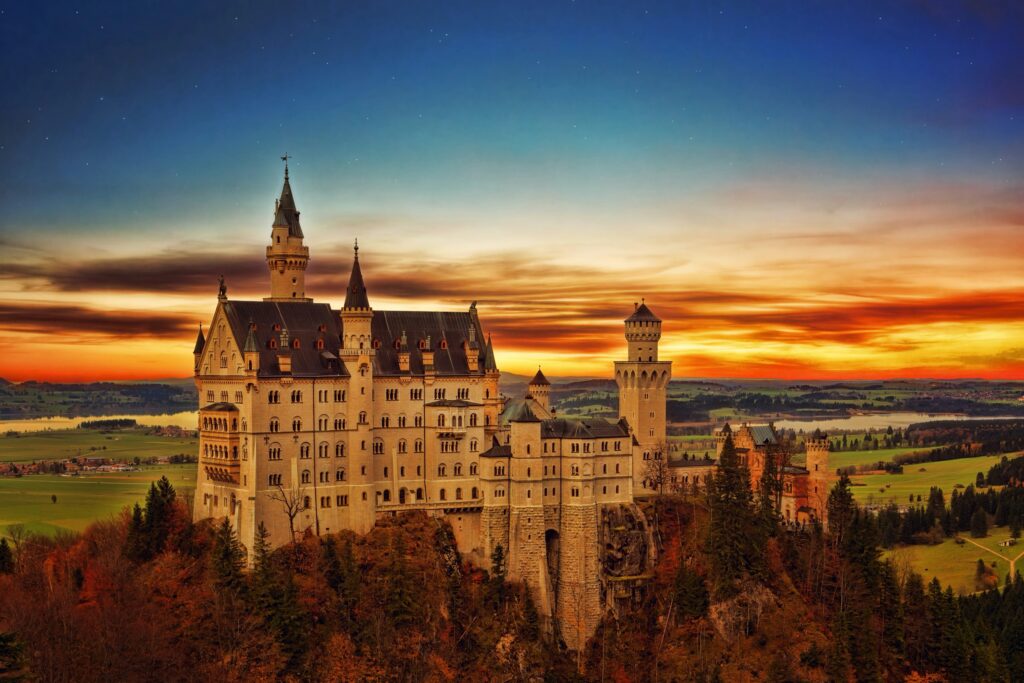
Further south, our Bavaria team works with something quieter: a private terrace at golden hour on Lake Tegernsee, the Alps turning gold behind your leadership team, mornings of crisp mountain air with the doors thrown open to the water, evenings closing with a lakeside gala where the day’s decisions get toasted properly.
Norway – The Fjords
In Norway, our fjords specialists build mornings nobody forgets: a fjord at dawn, mist lifting off water so still it holds the mountains like a mirror, a small boat cutting silently through it with your top ten performers aboard, saying almost nothing because nothing needs saying.
Spain – Bilbao and San Sebastián
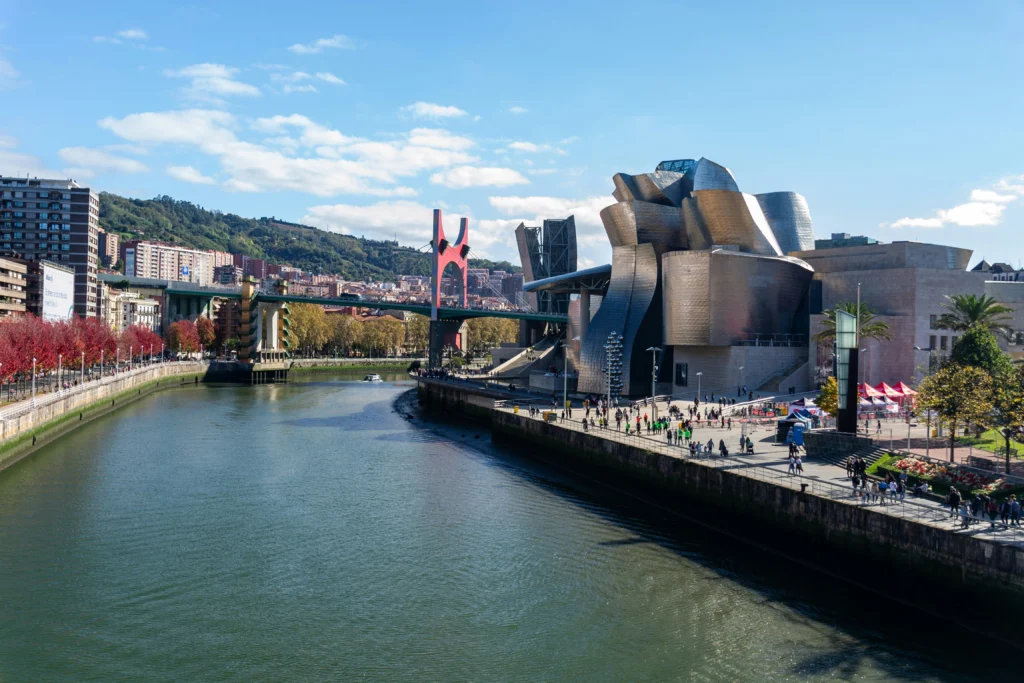
On Spain’s northern coast, Bilbao and San Sebastián offer the Spain your delegates haven’t already seen in every colleague’s holiday album — our Basque coast team can get a group into a private dinner inside a centuries-old gastronomic society most visitors never even know exists, walking out afterwards with the Guggenheim’s titanium curves still catching the last light.
Italy – Lake Maggiore
And by Lake Maggiore, our Italy team looks deliberately past the Rome-Venice-Milan circuit nearly every Indian tour still follows: a private villa terrace above the water, boats drifting below, an evening reception as the lake turns silver at sunset.
This is a sample of where we work, not the limit of it. Wherever the destination, the same local-team model applies: people who live there, not a call centre working from a script.
Not sure which of these fits your group, or want to talk through somewhere we haven’t mentioned? Our destination specialists will walk you through the honest trade-offs.
A concierge service, not a call centre
Here’s what actually happens once you get in touch, and why it looks nothing like booking through a platform or a subcontracted agent.
Your programme is handled by an incentive planner who was born in, or has lived for years in, the destination itself — not a coordinator working from a shared spreadsheet of vetted suppliers three time zones away. When our Bavaria specialist recommends a lakeside venue, it’s because she’s eaten dinner there. When our Basque coast team gets your group into a gastronomic society, it’s because they hold a genuine personal membership, not a commercial booking arrangement. This is the difference between a supplier list and a relationship, and it’s the reason our destinations feel unlocked rather than simply visited.
That relationship starts with a proper conversation, not a quote form. We talk through what the incentive is trying to achieve, what people should feel and gain from it, and what’s been tried before, so we’re not repeating a trip your top performers have quietly stopped being impressed by. From there, your planner researches destinations against that specific brief, not a standing shortlist, and builds a curated programme around it — a theme, real destination choices with honest trade-offs, the experience’s look and feel, and a proper budget built from actual venue and flight pricing.
The same planner, and the same local team, stays with the programme through to delivery. Visa documentation, dietary coordination across Hindu, Jain and Halal requirements, ground transport, on-site production — handled directly by people who live where your trip is happening, not outsourced to a subcontractor met for the first time the week of the trip. And when something needs solving in real time, which it eventually always does, you’re calling someone who knows the city, not a helpline.
Measuring whether it actually worked
Corporate incentive travel typically delivers a 4:1 return through productivity gains and retention savings, with well-designed programmes for top performers often exceeding that. Separately, industry research consistently finds that around 80% of employees rate group travel rewards as very or extremely motivating, well ahead of cash or gift cards. But numbers like these only mean something if you actually track them for your own programme. We’d encourage every client to measure a handful of things before and after: engagement or satisfaction scores among attendees, retention of top performers over the following year, and — for sales-incentive programmes specifically — performance in the following quarter against the same group’s prior baseline. None of this requires expensive tooling; a short survey before departure and another thirty days after return will tell you almost everything you need to know about whether the investment did its job.
The trip doesn’t have to end when the agenda does
Eighty-two per cent of Indian travellers now say they intend to extend business trips for leisure, a trend industry leaders were discussing openly at this year’s MILT Congress in Goa. We design for this from the start: a leadership programme in Bavaria that closes with two unstructured days in the Alps, or a Bilbao conference that flows naturally into a coastal evening in San Sebastián. Given that so many enquiries — like the one at the top of this guide — already come with a leisure extension in mind, this is rarely a hard sell. It’s simply designed properly rather than bolted on.
The email we’d actually like to receive
Remember the enquiry from the start of this guide? Here’s the same trip, same company, same 45 people — just asked properly, covering the three things we genuinely need to build you a real proposal.
A. Goal and vision: the business objective behind the trip, a rough sense of destination if you already have one, and the vibe and style you’re picturing — energetic and competitive, or restorative and reflective.
B. Group and logistics: attendee profile, any special requirements (dietary, accessibility, visa considerations), and your preferred dates and duration.
C. Budget and scope: even a rough range is enough to start with — we’ll build the honest detail around it once we understand the rest.
What a proper incentive travel brief looks like
“Dear Team, we’re planning a reward trip for 45 top-performing sales staff, part of our Chairman’s Club programme, to recognise a strong year and motivate the team ahead of next year’s targets. We’re considering Germany, ideally somewhere that lets us combine a day of team content with genuine downtime — energetic but not exhausting. The group is mostly senior sales staff, some travelling with spouses; we have a mix of vegetarian, Jain and Halal dietary requirements, and will need Schengen visa support for everyone. Dates are flexible within a six-week window. Budget is realistic rather than fixed — please advise what’s achievable for a group this size. Could you share destination options, an honest per-person budget range, and a rough itinerary shape?”
Notice what changed. It names the actual programme and its purpose, describes the group beyond just a headcount, and gives a budget posture instead of assuming a number. And it leaves room for us to recommend the destination and shape, rather than arriving with the itinerary already fixed.
Send us your version of this — as rough or as polished as you like — to info@thedmccollective.com, and we’ll come back with an honest, itemised proposal built around a proper consultation, not a guess.
Frequently asked
What’s the actual difference between corporate incentive travel and a group tour package?
A tour package is priced and built for sightseeing; an incentive trip is designed around a business objective, with structured content, wellbeing built into the pace, and curated access a standard itinerary doesn’t reach. Both are legitimate — they’re just different products with different purposes, and worth knowing apart before you brief either one.
What is the typical cost per person for a European incentive trip from India?
A realistic all-in figure starts at around €2,000 per person (roughly ₹2,20,000), covering flights, accommodation, food, transfers and a properly produced programme — priced as a corporate group programme, not a leisure package.
How far in advance should we plan a European incentive trip from India?
Six to twelve months is the ideal planning window for most groups — enough time to secure the right venues, negotiate group hotel rates, and complete visa processing comfortably.
If you’re already thinking about 2027, now is a good time to start those conversations; the best boutique venues in destinations like Norway and Lake Tegernsee book out furthest in advance. That said, we also work with companies planning two, three, even five years out, particularly for larger President’s Club-scale programmes of 150 or more, where locking in a destination and venue that far ahead genuinely pays off.
Do you handle Schengen visas and dietary requirements (vegetarian, Jain, Halal)?
Yes to both, included as standard in every proposal rather than quoted separately or handled generically on arrival.
Are you a travel agency or an events agency?
An events agency. We design and produce complete corporate programmes, delivered by our own local teams in each destination, rather than booking a package from a script.
Get in touch
If you’re planning corporate incentive travel to Europe from India — a leadership retreat, sales conference, President’s Club trip or partner reward programme — talk directly to the local planners who’ll actually deliver it. Write to us at info@thedmccollective.com with your goal, your group and your budget range, and we’ll come back with an honest, itemised proposal, not a generic package.