
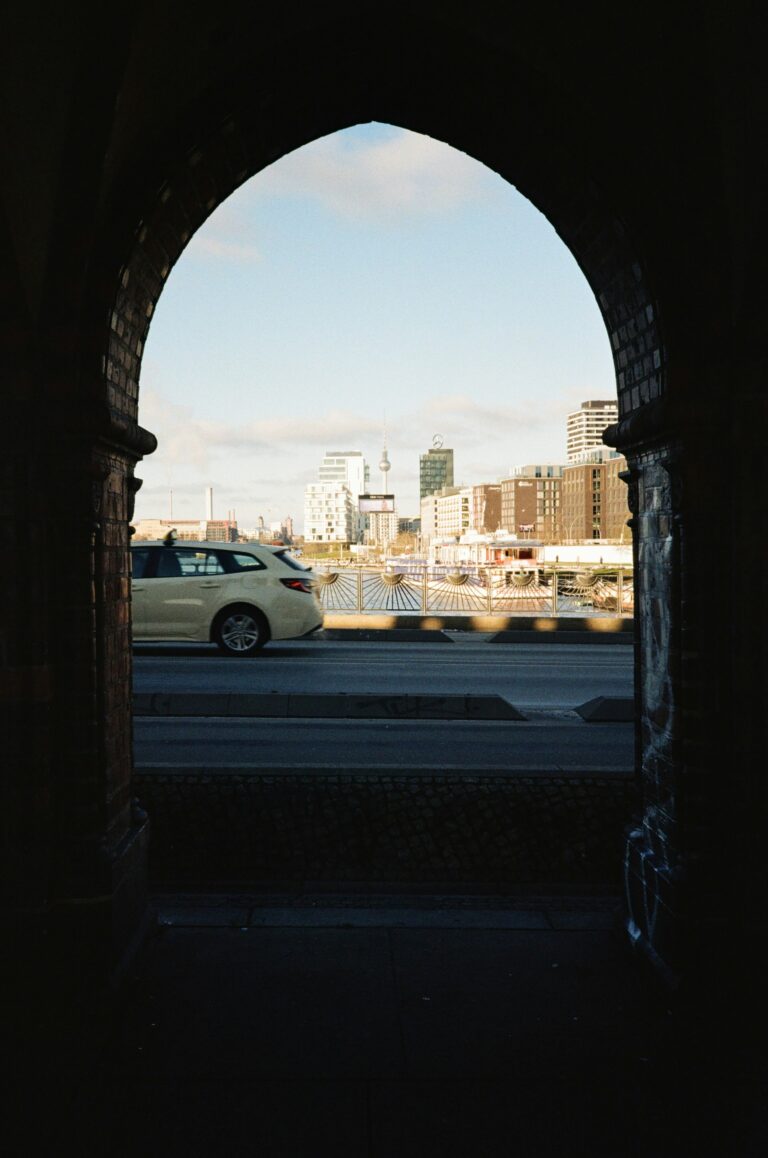
Berlin Corporate Events & Incentive Travel: The Complete 2026 Guide
Berlin in 2026 isn’t just hosting events—it’s rewriting the rules entirely. Forget what you think you know about corporate gatherings in polished convention centres and generic hotel ballrooms. This city has spent the last three decades transforming division into creativity, concrete into canvas, and industrial ruins into some of Europe’s most sought-after event spaces.
Having planned hundreds of corporate events across this city with our female-led team at The DMC Collective, I can tell you: Berlin doesn’t do ordinary. Our co-founders, Susan Vanhuston and Alessia Enzo, built this boutique agency on the belief that every event deserves a personal touch—the kind you get when you’re working with passionate people who genuinely care, not just another account number in a corporate database. And in 2026, with major infrastructure completions, landmark anniversaries, and a creative renaissance in full swing, there’s never been a better time to bring your team here.
This isn’t a city that will simply accommodate your event. Berlin will become part of your story—and we’ll be the friends who make it happen.
Why Berlin? Why Now?
Let me be direct: Berlin offers something no other European capital can match. London has prestige, Paris has elegance, Amsterdam has charm. Berlin has possibility.
Where else can you host a product launch in a former power station, hold breakout sessions in a Cold War listening post, or celebrate with a gala dinner overlooking the very wall that once divided a city? These exceptional German event venues aren’t theatrical staging—they actually exist, and they’re available for your next event.
The Business Case Is Compelling
Cost-effectiveness: You’ll save 25-40% on equivalent venues and services compared to London or Paris. That’s not corner-cutting—that’s smart planning.
Accessibility: With Berlin Brandenburg Airport connecting 170+ destinations and over 600 daily flights from across Europe, your delegates can be in the city centre within 45 minutes of landing.
Infrastructure: The city manages 140,000+ business events annually, generating €2.3 billion in MICE revenue. That’s not luck—that’s a city that knows how to handle your logistics.
Flexibility: Here’s what really sets Berlin apart: venue owners are entrepreneurial risk-takers. They inherited a legacy of creative repurposing after the Wall fell, and that spirit endures. Want to transform a space in ways a traditional venue would refuse? In Berlin, the answer is usually “Klar, warum nicht?” (Sure, why not?)
What Makes 2026 Special
This year marks Berlin’s 20th anniversary as a UNESCO City of Design—and the city is celebrating with major developments that will reshape your event options:
Estrel Tower opens late in the year, becoming Germany’s tallest hotel tower with 45 storeys of cutting-edge event facilities. Think sky-high meetings with panoramic city views.
House of Games launches as a 15,000 square metre gaming and e-sports hub—perfect if you’re in tech or targeting a younger demographic.
The Hohenzollern Crypt in Berlin Cathedral reopens after extensive restoration, offering exclusive access for high-level executive dinners in one of Europe’s most significant dynastic burial chambers. It’s atmospheric in ways a hotel ballroom simply cannot match.
And throughout the year, the city hosts everything from the NBA Berlin Game (15 January—yes, actual NBA basketball in Berlin) to the FIBA Women’s Basketball World Cup (4-13 September), creating an energy that your event can tap into.
2026 Trade Show & Congress Calendar: Strategic Timing
Berlin’s position as a global trade fair and congress hub means the city pulses with industry energy throughout the year. Here’s your essential calendar for aligning your corporate event with—or avoiding—major exhibitions:
Q1 2026: Strong Start
FRUIT LOGISTICA (4-6 February) brings 75,000+ visitors and 3,100 exhibitors to Messe Berlin for the world’s leading fresh produce trade fair. If you’re in food, agriculture, or logistics, the city’s industry focus during this period amplifies your event’s relevance. Hotel rates increase modestly, so book early.
37th German Cancer Congress (18-21 February) attracts oncology professionals and medical device companies. The healthcare and pharmaceutical presence creates networking opportunities if your corporate event serves that sector.
ITB Berlin (3-5 March) is the world’s largest travel trade show—and it absolutely dominates the city. With 160,000+ attendees and exhibitors from 186 countries, this creates massive hotel compression and premium pricing.
Our team knows ITB intimately. In 2024, we orchestrated a high-profile networking dinner for the Molise region of Italy during ITB, managing exhibition services, AV support, translation for multiple languages, and a live culinary demonstration that impressed 70 press members plus the Italian Ambassador. The logistics were complex—coordinating suppliers during the city’s busiest week, managing VIP expectations, and ensuring flawless execution when every venue and service provider is stretched thin. See our ITB Berlin case study for the full story of how we navigate Berlin’s most demanding event period.
Unless your event directly relates to travel and tourism, avoid these dates entirely or book 12+ months ahead. Many of our clients intentionally schedule around ITB to avoid the chaos—but if you must be there, having local DMC support isn’t optional, it’s essential.
Q2 2026: Industry Diversity
BUS2BUS (15-16 April) focuses on commercial vehicles, buses, and sustainable mobility. It’s niche but draws international fleet managers and transport decision-makers to Station Berlin.
CWIEME Berlin (19-21 May) is the world’s leading coil winding, insulation, and electrical manufacturing event. If you’re in industrial manufacturing or electrical engineering, the concentration of industry expertise makes Berlin particularly strategic during these dates.
ILA Berlin (10-14 June) transforms Berlin ExpoCenter Airport into aerospace headquarters. This isn’t just an exhibition—it’s a full-scale airshow combining static displays, flight demonstrations, and 140,000+ aerospace professionals. If you’re in aviation, defence, or advanced manufacturing, leverage ILA’s presence. If you’re not, expect limited hotel availability near Schönefeld and book central Berlin locations instead.
GITEX EUROPE (30 May – 1 June) brings Dubai’s legendary tech show format to Berlin for the first time, focusing on AI, cybersecurity, and digital transformation. Tech companies should absolutely capitalise on the innovation atmosphere this creates.
Q3 2026: Autumn Industry Focus
IFA – Consumer Electronics Unlimited (4-8 September) is Europe’s leading consumer electronics and home appliances show. With 182,000+ visitors and 1,800+ exhibitors, it rivals ITB for city impact. Tech and consumer goods companies benefit from the innovation energy; everyone else should note the hotel compression and book accordingly.
FIBA Women’s Basketball World Cup (4-13 September) runs concurrently with early IFA dates, adding sports crowds to exhibition attendees. It’s vibrant and energetic—just plan logistics carefully.
InnoTrans (22-25 September) is the world’s leading trade fair for transport technology, claiming that title every two years. Rail, metro, bus, and transport infrastructure professionals flood Berlin. If you’re in transportation, infrastructure, or urban planning, this is your moment. The technical expertise concentration is remarkable.
Strategic Congress Planning
These major exhibitions create both opportunities and challenges:
Opportunities: Industry-aligned events benefit from concentrated expertise, easier speaker recruitment, and relevant networking. A pharmaceutical leadership retreat during the German Cancer Congress, for instance, leverages the city’s healthcare focus.
Challenges: Hotel availability tightens, rates increase 20-40%, and event transportation logistics become more complex with exhibition traffic.
Our advice: If your event serves the same industry as a major trade show, book 12-18 months ahead and embrace the energy. If not, schedule around these dates to secure better rates and smoother logistics.
Navigating Berlin's Venue Landscape
Right, let’s talk venues. Berlin offers roughly 190,000 hotel beds and several thousand event spaces. That’s simultaneously liberating and overwhelming. Here’s how I break it down for clients, linking to our curated selection of exceptional venues across Germany where you’ll find even more Berlin options with full specifications.
For Large-Scale Conferences (500+ attendees)
CityCube Berlin is your answer for major conferences and exhibitions. With capacity for 11,000 attendees, two main floors, and flexible partitioning, it handles the logistics of large groups with German precision. It’s functional rather than atmospheric—think of it as the reliable workhorse of Berlin’s event scene.
Estrel Convention Center combines 4,000-person capacity with an attached 1,125-room hotel. If your event requires accommodation and meeting space under one roof (and you don’t want to coordinate shuttle buses), this is your solution. The Neukölln location is slightly off-centre, but that’s reflected in more competitive pricing.
Tempodrom is where functionality meets iconic architecture. That striking tent-like structure holds 50 to 4,200 people across five combinable spaces, plus a rooftop terrace. It’s Instagram-worthy whilst remaining entirely professional—the sweet spot for product launches and awards ceremonies.
For Mid-Size Corporate Gatherings (100-500 attendees)
The Social Hub Berlin perfectly captures modern Berlin. Steps from Alexanderplatz, it offers everything from two-person meeting rooms to a 350-person courtyard, with an on-site music studio and restaurant takeover options. The vibe is young and energetic—ideal for tech companies and startups who want their event space to feel current, not corporate.
Spreespeicher Event overlooks the Oberbaumbrücke on the river Spree. Four venues, five combinable rooms, and those sunset views across the water create the backdrop for memorable riverside galas and celebrations. Your delegates will thank you for the Instagram moment.
Station Berlin in Kreuzberg delivers that industrial-chic aesthetic with high ceilings and modular spaces. It’s become the go-to for tech conferences and creative industry events—the kind of space where innovation feels not just possible but inevitable. You’ll find more details about this venue and others in our comprehensive Germany venue guide.
For Unique & Boutique Experiences (20-200 attendees)
This is where Berlin truly differentiates itself.
Malzfabrik is a former malt factory spanning 10,000 square metres across multiple halls. Exposed brick, steel beams, courtyards, and green outdoor spaces create the ultimate Berlin “repurposed industrial” aesthetic. It’s authentic in a way that designed-to-look-industrial venues simply aren’t.
Meistersaal, built in 1910, offers the complete opposite: classic elegance with wood-panelled walls, intricate ceiling mouldings, and chandeliers. Its connection to the legendary Hansa Studios adds cultural weight. Use this when you need gravitas rather than edginess—it’s stunning.
Wilhelm Studios requires a short journey to Schönholz, but those glass ceilings and massive open spaces reward the trip. It’s a blank canvas in the truest sense, equally suited to film productions and large corporate gatherings. The out-of-centre location translates to notably better value for premium space.
Alte Turnhalle in Friedrichshain gives you an actual converted gymnasium with a biergarten attached. Capacity for 400, authentic Berlin atmosphere, and the kind of venue where your team will actually want to stay and socialise rather than escape back to their hotels. For company celebrations, it’s brilliant.
AXICA Congress & Conference Centre sits on Pariser Platz, literally adjacent to the Brandenburg Gate. Frank Gehry designed it. It’s where prestige matters more than budget. If you’re hosting diplomatic events, government relations functions, or simply want to impress with location alone, this is your venue. Just be prepared for premium pricing that reflects that address.
Prachtwerk in Neukölln represents “real Berlin”—a cafe, bar, and concert venue with vintage furniture, local art, and an artistic vibe that feels utterly unpretentious. Capacity is 250 (150 seated). This is where you bring groups who want authentic Berlin, not polished corporate Berlin.
The Hotel Venue Option
Don’t overlook hotels with strong event offerings. Hotel de Rome (Rocco Forte) occupies a former bank building with a rooftop terrace overlooking Bebelplatz—that’s five-star luxury with genuine character. Das Stue transformed the former Danish Embassy into a design-forward boutique hotel. Both work beautifully for intimate executive retreats where accommodation and meeting space need to feel special, not simply functional.
Browse our full collection of curated German venues for detailed specifications, capacity charts, and insider recommendations for each property.
Getting Your Group to Berlin (And Around It)
Berlin Brandenburg Airport sits 30 minutes from the city centre with connections to every major European hub. London is 1 hour 50 minutes, Paris 1 hour 45 minutes, Dubai 6 hours. Your delegates won’t spend their entire day travelling.
Once here, Berlin’s public transport is exceptional—U-Bahn, S-Bahn, buses, and trams create an interconnected network that’s reliable, frequent, and inexpensive. The Berlin WelcomeCard provides unlimited transport plus attraction discounts, and honestly, for delegates with free time, it’s perfect.
That said, for group transfers—airport to hotel, hotel to venue, venue to restaurant—professional event transportationremains essential. Berlin traffic can be unpredictable, so always budget an extra 15 minutes for transfers. Our dedicated transport management services provide real-time traffic monitoring, professional drivers who know Berlin intimately, and the coordination that keeps your event running to schedule.
Whether you need executive chauffeur services for VIP delegates or coach fleets for large conference groups, having a local partner who understands Berlin’s transport dynamics—particularly during major trade shows when traffic patterns shift dramatically—transforms logistics from a headache into seamless execution.
The city is also remarkably walkable. Most central venues sit within a 30-minute walk of each other, and there’s something valuable about letting your delegates experience Berlin at street level rather than always viewing it through coach windows.
Accommodation Strategy: Where to Stay
With 190,000 hotel beds across every category, you’ll find options. But strategy matters, particularly during Berlin’s major congress and exhibition periods.
For large conferences, consider the Estrel (those 1,125 rooms attached to the convention centre), or cluster your group near your main venue. The Maritim proArte and various IntercityHotels handle groups efficiently.
For luxury executive gatherings, Hotel de Rome, Das Stue, and Waldorf Astoria deliver the premium experience your senior leadership expects.
For boutique creative vibes, Hotel Adlon Kempinski and Titanic Chaussee blend character with comfort.
For budget-conscious bookings, the NH Hotels chain, Holiday Inn properties, and Motel One locations offer reliable quality at competitive rates.
Critical 2026 Booking Dates
Avoid these unless your event absolutely must coincide:
- FRUIT LOGISTICA (4-6 February): Moderate compression, food & agriculture focus
- 37th German Cancer Congress (18-21 February): Healthcare sector impact
- ITB Berlin (3-5 March): Massive compression—book 12+ months ahead or avoid entirely
- ILA Berlin (10-14 June): Aerospace focus, airport area particularly affected
- IFA (4-8 September): Major tech event, significant city-wide impact
- InnoTrans (22-25 September): Transport tech professionals, moderate compression
- Berlin Marathon (likely late September): Hotels near the route fill months ahead
Book 9-12 months in advance for any group over 50 rooms during these periods. That’s not excessive caution—that’s recognising Berlin’s position as Europe’s leading congress and trade fair destination.
Incentive Travel: Creating Experiences That Matter
Here’s where we move beyond logistics into memories. Your team doesn’t want another conference. They want experiences they’ll actually talk about when they return home.
Street Art & Graffiti Workshops
Berlin’s street art scene isn’t tourism theatre—it’s authentic cultural expression. A graffiti workshop at the East Side Gallery or Mauerpark puts spray cans in your delegates’ hands and creates immediate engagement. Everyone starts on level ground (95% have never used a spray can), traditional hierarchy disappears, and the results are surprisingly good.
Cost runs €60-90 per person for 2-4 hour sessions accommodating 4-120+ participants. The cultural immersion is genuine, the Instagram content writes itself, and the experience resonates particularly well with millennial and Gen Z demographics.
Cold War & History Immersion
The Berlin Wall Memorial, Checkpoint Charlie, the Reichstag Building, and Stasi Prison (Hohenschönhausen) offer profound historical context. That last one—the Stasi Prison—is intense and thought-provoking in ways that create genuine reflection.
These work brilliantly for leadership development themes around overcoming division, organisational transformation, and building bridges. The history here isn’t abstract—it’s visceral, recent, and still shapes the city.
Culinary Experiences That Capture Berlin
Berlin’s food scene reflects its multicultural character. Beer history tours visit new craft breweries alongside traditional halls. Markthalle Neun food market tours include tastings across artisan stalls. Cooking team-building sessions work with top Berlin chefs.
And yes, Currywurst paired with Champagne is absolutely a thing here—it captures the high-low Berlin culture perfectly. Budget €60-150 per person depending on experience depth.
Active Adventures
Kayak the Spree to see the city from water level. Bike tours hit major sights efficiently. Trabi Safaris let you drive those iconic East German cars. Indoor surfing happens in Lichtenberg. High ropes courses operate on the outskirts.
For pure adrenaline, there’s a 120-metre base-flying swing at Alexanderplatz where you’re harnessed and literally swing out above the square. Cost around €50 per person, and the sheer audacity of it is very Berlin.
Unique Team Building Berlin-Style
Tank driving with actual Cold War military vehicles. Movie stunt workshops with professional stunt teams at one of Europe’s largest media centres. Urban golf at an abandoned Cold War listening station. These aren’t activities you’ll find in other European capitals.
The point is that Berlin doesn’t just accommodate your team-building budget—it provides experiences that are genuinely distinctive.
Sample Itineraries: Putting It Together
3-Day Executive Retreat (20-40 People)
Day 1: Arrival & Orientation
- Morning: Arrive BER, private coach transfer to Hotel de Rome
- Afternoon: Walking tour from Brandenburg Gate to Museum Island
- Evening: Welcome dinner at Lutter & Wegner
Day 2: Strategy Sessions
- Morning: Plenary session at AXICA (that Brandenburg Gate location)
- Midday: Working lunch at venue
- Afternoon: Breakout sessions
- Evening: Rooftop reception at Das Stue followed by dinner
Day 3: Team Building & Departure
- Morning: Graffiti workshop at East Side Gallery
- Midday: Group lunch at Prater Biergarten
- Afternoon: Coordinated departures to BER
5-Day Incentive Programme (100-150 People)
Day 1: Welcome
- Afternoon arrivals, hotel check-in
- Evening: Opening gala at Tempodrom with entertainment
Day 2: Culture & Competition
- Morning: Optional tours (Reichstag / Charlottenburg Palace / Street Art)
- Afternoon: Amazing Race-style challenge across Berlin landmarks
- Evening: Awards dinner at Meistersaal
Day 3: Choose Your Own Adventure
- Full day: 6-8 curated options (Potsdam, spa day, brewery tour, shopping, Wall deep-dive)
- Evening: Group dinner at Spreespeicher riverside
Day 4: Reflection
- Morning: Keynote speaker plus town hall at CityCube
- Afternoon: Free time or museum visits
- Evening: Farewell party at Malzfabrik with live band
Day 5: Departures
- Staggered coach transfers coordinated to flight schedules
Budget Reality: What Will This Cost?
Berlin’s socialist planning heritage created excellent public transport and walkability—factors that now position it as a sustainability leader for events. Reducing your event’s carbon footprint by 40% versus car-dependent cities isn’t marketing spin; it’s infrastructure reality.
Many venues hold ISO 20121 or EMAS certifications. Camonsite, for example, operates a Greenpoint programme where every eco-friendly measure you implement converts to donations for the Borneo Orangutan Survival Foundation. Your sustainability choices create tangible conservation impact.
The city’s vegan and vegetarian scene is world-class, making plant-forward catering genuinely appealing rather than merely compliant. Waste management includes advanced recycling and composting programmes. And most Berlin DMCs now provide carbon footprint calculations, post-event sustainability reports, and offset programme coordination as standard.
Learn more about our comprehensive approach to sustainable event management and how we help clients meet their ESG objectives without compromising event quality.
Sustainability: Berlin Leads Here Too
Berlin’s socialist planning heritage created excellent public transport and walkability—factors that now position it as a sustainability leader for events. Reducing your event’s carbon footprint by 40% versus car-dependent cities isn’t marketing spin; it’s infrastructure reality.
Many venues hold ISO 20121 or EMAS certifications. Camonsite, for example, operates a Greenpoint programme where every eco-friendly measure you implement converts to donations for the Borneo Orangutan Survival Foundation. Your sustainability choices create tangible conservation impact.
The city’s vegan and vegetarian scene is world-class, making plant-forward catering genuinely appealing rather than merely compliant. Waste management includes advanced recycling and composting programmes. And most Berlin DMCs now provide carbon footprint calculations, post-event sustainability reports, and offset programme coordination as standard.
Learn more about our comprehensive approach to sustainable event management and how we help clients meet their ESG objectives without compromising event quality.
Practical Planning: The Critical Checklist
12 Months Before: Define objectives, research destinations, issue RFPs to DMCs, shortlist venues, block hotel rooms (essential if your dates align with major trade shows)
9 Months Before: Confirm DMC partner, sign venue contracts, negotiate hotel contracts, book keynote speakers
6 Months Before: Finalise agenda, book restaurants, arrange special access (Reichstag tours require 2-3 months notice), confirm transportation logistics
3 Months Before: Finalise catering, confirm AV requirements, book activities, order signage
6 Weeks Before: Final headcount to venues, confirm rooming lists, send pre-event communications, finalise transport schedules
1 Week Before: Final walk-throughs, load-in schedule coordination, emergency contact lists
Cultural Notes That Matter
Germans value punctuality. Start on time. Business formal remains expected at high-level events. Tipping runs 5-10% in restaurants and is included in tour pricing.
Outdoor events require city permits (allow 3-4 weeks). Amplified sound restrictions apply (11pm weekdays, midnight weekends). A local DMC handles permitting so you don’t navigate German bureaucracy in a foreign language.
Why Work With a Berlin DMC
You could absolutely plan your Berlin event independently. People do. But here’s what you’re navigating alone:
Venue negotiations in a market where relationships matter more than published rates. Supplier vetting across language barriers. Cultural translation between German business protocols and international expectations. Permitting for special uses. Complex transportation coordination during major trade show periods. On-ground crisis management when unexpected issues arise.
A local DMC—particularly one with native Berlin teams like The DMC Collective—provides access to exceptional venues, rates, and solutions that aren’t available through direct booking. We’re not middlemen adding cost; we’re insiders delivering value that saves 20-30% through supplier relationships whilst preventing costly mistakes.
Our approach is boutique rather than corporate. You’re not client #347 in a database—you’re the event we’re currently obsessed with executing flawlessly. That matters when something unexpected happens (and something always happens).
Berlin in 2026: An Invitation
This city has spent three decades proving that division can become creativity, concrete can become canvas, and history can become inspiration. Every venue tells a story. Every neighbourhood embodies reinvention.
Your event here won’t simply occupy space—it will inherit character, context, and possibility that generic convention centres cannot provide. Berlin doesn’t accommodate; it transforms.
The question isn’t whether Berlin works for corporate events. The city hosts 140,000 annually and generates billions in MICE revenue because it absolutely works. The question is whether you’re ready for an event that feels genuinely different from every other conference, retreat, or incentive trip your delegates have experienced.
And whether you want a partner who treats your event like it’s the only thing that matters—because to us, it is.
When Susan and Alessia founded The DMC Collective, they’d both spent years working for large corporate DMCs where clients were numbers and events were transactions. They wanted something different: an agency where caring about outcomes wasn’t just marketing copy, where “boutique” meant genuinely personal service, and where “client-first” described how decisions actually get made.
If that resonates with you, Berlin is ready. And so are we.
Ready to start planning your Berlin event?
Our Berlin specialists don’t just work in this city—we live here, love it, and genuinely want your team to experience it the way we do. With the magic that made us fall in love with Berlin in the first place.
📧 Email: info@thedmccollective.com
🌐 Visit: thedmccollective.com/berlin
Explore our curated selection of exceptional German event venues or learn more about our professional event transportation services that ensure seamless logistics.
Watch how we handle Berlin’s biggest event challenge: Our ITB Berlin 2024 Case Study
Follow our Berlin insights on Instagram @thedmccollective and LinkedIn for venue spotlights, planning tips, and local knowledge you won’t find in guidebooks.

Related Articles

Nirup Island: Indonesia’s Exclusive Destination for Luxury Corporate Events
Nirup Island, nestled within Indonesia’s serene Riau Archipelago, stands out as a sophisticated choice for intimate luxury events, including board meetings, incentives, and exclusive partner seminars tailored for multinational audiences.
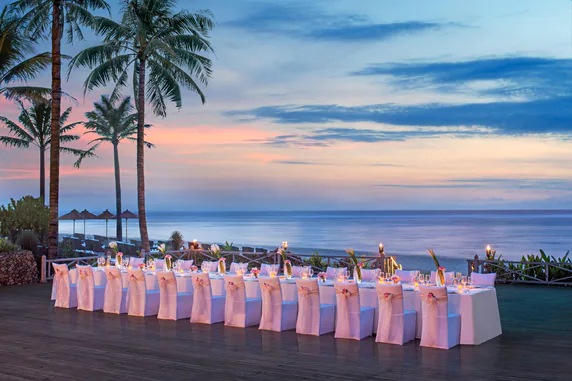
Why is Bali a Leading Destination for Corporate Event Spaces, and What Has Made Its Resorts Renowned Worldwide?
Discover why Bali is a top choice for corporate events, with world-class resorts and stunning venues that attract businesses from around the globe.
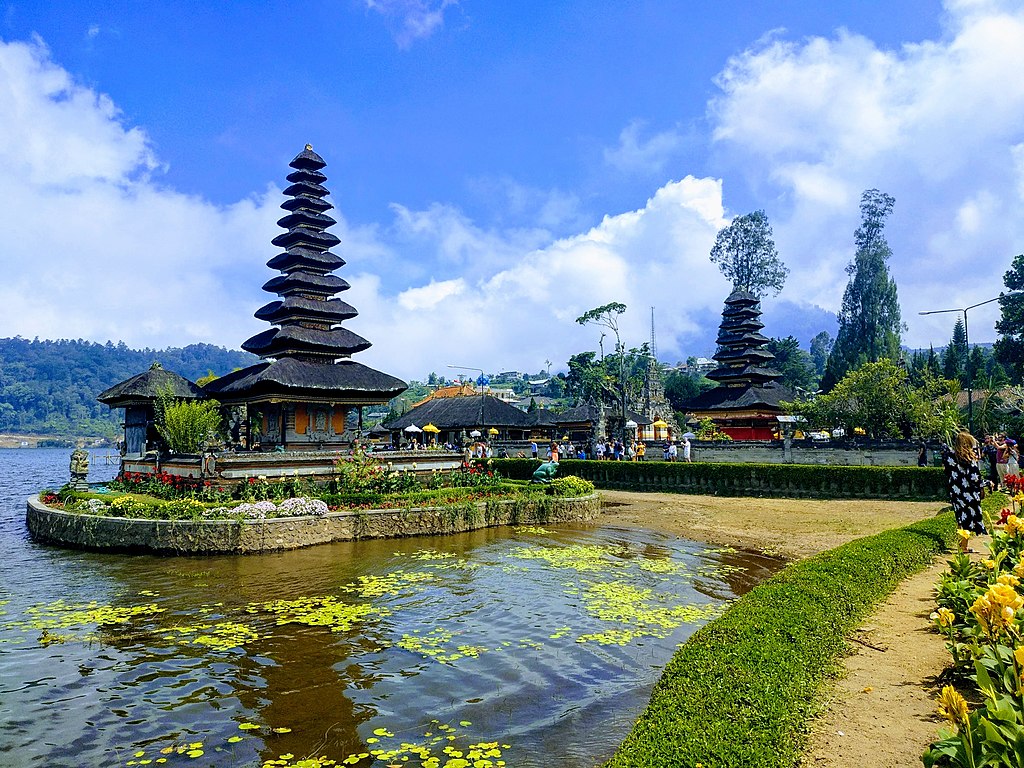
Corporate Incentive Travel Services in Bali: Why Bali Remains a Top Choice for Incentive Travel Planners
This article explores why Bali remains a top choice for incentive travel planners and highlights some of Indonesia’s hidden gems that deserve a spot on the radar of forward-thinking planners.